


HDMI data transmission mode
Sep 08, 2026
The HDMI interface includes four pairs of differential signal lines. Among them, three pairs are used to transmit TMDS (Minimized Differential Signal Transmission) data, and one pair is used to transmit the TMDS clock. DDC (Display Data Channel) is a standard bus established by VESA for obtaining display attribute information. At the same time, DDC is also used for information exchange in the HDCP copyright protection protocol.
- There are three cycle modes in the HDMI link. The first one is the video data cycle mode, in which the pixel data of the effective display area is transmitted; the second one is the data island cycle mode, in which audio and auxiliary data are transmitted in packet format; during the idle periods when neither data is transmitted, the third control cycle mode is allocated. The data island cycle and the control cycle are located within the blanking period of the video display, and audio data, auxiliary data, and control data are transmitted during the idle intervals of the effective video transmission. This fully utilizes the bandwidth of TMDS to achieve the transmission of non-video data.
- As shown in the table, the video data is encoded using TMDS, and the 24-bit data of each pixel point is allocated to three channels, and each channel encodes 8-bit data into 10-bit data. The data packets use TERC4 (TMDS error correction encoding), and each channel converts 4-bit data into 10-bit data. The control cycle uses a specific encoding method, encoding a total of 6 bits of data from each channel (HSYNC, VSYNC, CTL0, CTL1, CTL2, and CTL3), where HSYNC is the horizontal synchronization signal, which is the reference clock for each row scan, VSYNC is the vertical synchronization signal, also known as field synchronization signal, and its frequency represents the frame rate. At the beginning of each control cycle, there is a header (CTLx) to indicate the next cycle mode.
- Each video data cycle and data island cycle start with the leading guard band (Leading Guard Band), which consists of two special characters, ensuring good robustness in detecting the transition from the control cycle to the data cycle. In addition, there is a trailing guard band at the end of the data island cycle to improve the robustness of the transition detection to the control cycle.

You Might Also Like
-
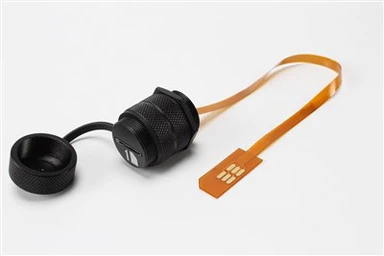
Waterproof Mini SIM Card To Mini SIM Connector FPC Cable
-
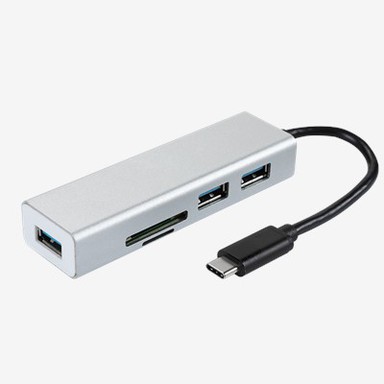
5-in-1 USB C 3 Ports Hub with Card Reader
-

USB C To 3 USB Ports Hub with Card Reader
-

USB C To 7 Port USB 3.0 HUB with Individual On\Off Switches
-

8K Ultra HIgh Speed HDMI® Optical Fiber Cable For Visual ...
-

Manufacturer USB A to RS232 DB9 adapter cable with temina...