


Waterproof cables, also known as a water-block cable or water-resistant cable, is a cable designed to operate effectively and reliably in environments where water can be a threat, and even be submerged in varying water types, temperatures, and depths.
Why Choose Us?
Advanced Equipment
Our equipment include High-frequency welding machine, USB Auto welding machine, USB 3.1 Haba welding machine, laser welding machine, laser cutting machine, temperature and humidity cycle tester, salt spray tester, SGS Test Machine, Connector Insert Force Tester, Network Analyzer, IP67 Waterproof tester.
Wide Product Range
Its product series include peripheral connecting cables for Computer, Automobile, Aviation, Medical and other fields. At the same time, in order to meet the growing demands of customers, the company also manufactures a variety of special customized products.
Complete Qualifications
The company has passed the ISO9001:2015, ISO14001:2015 and the USB3.1 series, certification as a member of the HDMI association. Meanwhile, we own a lot of advanced production equipment and quality inspection equipment to improve production efficiency, product consistency and quality stability.
Quality Guaranteed
Kaiwin has 10 modern production lines, employs about 350 workers and covers an area of 9000㎡, with an annual production capacity of about 10 million pcs. We have a team of excellent technical personnel with more than 10 years of experience.
-
![Customized IP67 Waterproof RS232 DB9 Cable]()
Customized IP67 Waterproof RS232 DB9 Cable
Add to Inquiry -
![IP67 Waterproof RS232 D-sub 9pin Cable]()
IP67 Waterproof RS232 D-sub 9pin Cable
Add to Inquiry -
![Waterproof USB C Car Dash Flush Panel Mount Extension Cable]()
Waterproof USB C Car Dash Flush Panel Mount Extension Cable
Add to Inquiry

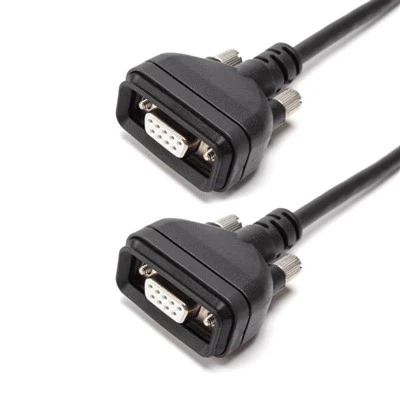

Benefits of Waterproof Cables
Protection against Moisture and Water Damage
One of the primary advantages of waterproof cables is their ability to resist moisture and water damage. Traditional cables, when exposed to water, can lead to short circuits, electrical malfunctions, and even potential hazards such as electrical shocks or fires. Waterproof cables, on the other hand, are specifically designed to withstand these challenges, ensuring a reliable and safe electrical connection even in wet conditions. This makes them an excellent choice for outdoor lighting, irrigation systems, and other applications where exposure to moisture is inevitable.
Extended Lifespan and Durability
Waterproof cables are engineered to withstand harsh environmental conditions, including extreme temperatures, UV radiation, chemicals, and abrasion. By using high-quality materials and advanced manufacturing techniques, these cables offer exceptional durability and a longer lifespan compared to standard cables. This means reduced maintenance costs and fewer replacements, making waterproof cables a cost-effective solution in the long run.
Versatility and Adaptability
Waterproof cables come in a wide range of types and configurations, allowing them to be used in various applications. From low-voltage power cables to data transmission cables, there is a waterproof option available for almost every requirement. Additionally, these cables can be customized to specific lengths and connector types, making them highly adaptable to different installations and setups. This versatility ensures that waterproof cables can meet the unique needs of any project.
Enhanced Safety in Hazardous Environments
In industries such as mining, oil and gas, or chemical manufacturing, where hazardous substances are present, safety is of utmost importance. Waterproof cables provide an extra layer of protection by preventing moisture ingress and potential electrical failures that could lead to accidents or equipment damage. By choosing waterproof cables specifically designed for hazardous environments, operators can ensure the highest level of safety for both personnel and equipment.
Easy Installation and Maintenance
Waterproof cables are designed for ease of installation and maintenance. They often feature connectors that are quick and simple to connect, reducing installation time and minimizing the risk of errors. Additionally, these cables require minimal maintenance due to their robust construction and resistance to environmental factors. This saves both time and money, allowing businesses to focus on other critical aspects of their operations.
Reliable Signal Transmission
For applications that involve data transmission, such as telecommunications or industrial control systems, reliable signal transmission is crucial. Waterproof cables ensure uninterrupted signal flow even in challenging environments. They minimize signal loss, electromagnetic interference, and crosstalk, guaranteeing the integrity and accuracy of transmitted data. This reliability is essential for maintaining smooth operations and preventing costly disruptions.
Compliance with Industry Standards
Waterproof cables are designed and manufactured in accordance with industry standards and regulations. This ensures that they meet the necessary requirements for specific applications and environments. By using certified waterproof cables, businesses can demonstrate their commitment to safety and compliance, giving them peace of mind and avoiding potential legal or regulatory issues.
Cost-Effective Solution
While waterproof cables may have a slightly higher upfront cost compared to standard cables, their long-term benefits make them a cost-effective solution. The extended lifespan, reduced maintenance, and enhanced safety provided by waterproof cables outweigh the initial investment. Businesses can save money in the long run by avoiding frequent cable replacements, downtime due to electrical failures, and the associated repair or replacement costs.
Environmental Friendliness
Waterproof cables are often designed with environmentally friendly materials and manufacturing processes. They are free from substances such as lead and mercury, making them safer for both users and the environment. Additionally, their durability and longer lifespan contribute to reducing electronic waste, further minimizing the ecological footprint of the projects and industries that utilize waterproof cables.
Wide Range of Applications
From outdoor lighting and irrigation systems to automotive wiring and underwater installations, waterproof cables find applications in a diverse range of industries. They are suitable for residential, commercial, and industrial projects alike. The ability to withstand extreme conditions while ensuring reliable electrical connections makes waterproof cables an essential component in numerous applications, providing peace of mind to users and ensuring the smooth operation of critical systems.

There is a wide variety of waterproof cables. The type of waterproof wiring you need depends on the extent of water the wires will have to be exposed to in your target application. The UNE 20460–3:1996 standard defines the extent of water protection (AD protection).
AD1 protection: Suitable for environments with good ventilation like in the walls where minor moisture can occur, such as from steam
AD2 protection: Suitable for environments where drops of water may fall on the wiring, such as because of occasional vapor
AD3 protection: Suitable for environments where vertical water vapor is continuous
AD4 protection: Suitable for environments where water may fall in all directions, such as in some outside applications
AD5 protection: Suitable for environments where water regularly falls in all directions, like at a car wash
AD6 protection: Suitable for environments where water waves occur, such as at docks or beaches
AD7 protection: Suitable for environments where water completely covers the connected equipment
AD8 protection: Suitable for environments where the equipment and the connected wiring flood in the water completely and permanently; capable of withstanding pressure more than 1 bar
Water-resistant connection solutions are required where cables can become wet. This is the case in the industry where cables and connectors come into contact with cooling lubricant, and especially in food production, where equipment must be regularly cleaned and disinfected with steam and water jets. In outdoor applications, watertight connections should be standard, for example on photovoltaic systems, antennas, equipment in the chemical and building materials industry, and many more. Even if cables are under a roof, you should use waterproof components, because it can always rain in and condensing humidity can collect and penetrate into leaking gaps. Particularly harsh conditions prevail on the high seas. On ships, oil rigs, or in port facilities, watertight connection solutions are mandatory. Because of the severe corrosion in salt water, which often requires a metal version of connectors, for example, made of stainless steel or other corrosion-resistant materials such as zinc die-cast.

What Are the Parts of Waterproof Cables?
Cable conductor
This is where the electrical current is actually transmitted, with copper being the most commonly used material.
In some cases, aluminium conductors are also used, despite the fact that this metal is 60% worse conductor than copper (at the same cross-section it has more losses due to the joule effect). In practice, aluminium is used almost exclusively for power transmission cables in electrical distribution networks (electricity companies).
There are two sizing criteria for copper conductors: The north american criterion and the european criterion. In north american (awg) sizing, conductors are defined by specifying a number of wires and a diameter of each wire. In european sizing (mm2), the conductors are defined by specifying the maximum resistance of the conductor (ω/km). Solid or flexible conductors are defined by specifying the minimum number of wires or the maximum diameter of the wires that form them. In addition, the actual geometrical sections are somewhat smaller than those indicated as nominal.
Cable insulation
The insulation is the polymer, plastic or elastomer layer that surrounds the conductor and isolates it from external contacts.
There are thermoplastic and thermosetting insulations. The first one are those in which the material applied does not undergo chemical transformations. Pvc, the most common thermoplastic insulation, has a maximum service temperature of 70 °c.
Thermosetting insulation is chemically transformed during extrusion, resulting in a more stable compound in the face of increased temperature. This is why they allow for higher operating temperatures.
Cable metal protection
In some cases the cables may have metal protections. Electrical metal shields (screens) are applied to isolate the signals that pass through the interior of the cable from possible external interference. Mechanical protections (armours) protect the cable from possible external aggressions..
They are usually made of polymeric material and must be chosen in accordance with the nature of the insulation material.
Selection Guide of Waterproof Cables
(1) Determine the IP protection level that the waterproof gland connector needs to achieve according to the use environment and requirements of the cable gland;
(2) Determine the material and color of the cable gland according to the use environment and requirements of the cable gland;
(3) Determine the thread specifications and thread standards to be used in the cable gland; (Thread standard description: EN60423 metric thread M; DIN40430 German thread PG).
(4) Choose a bayonet range, which is closed to the outer diameter of the cable and about +10% as the specific model;
(5) Under normal circumstances, it is recommended that O-ring seals must be used to reach the IP67 technical standard;
(6) Whether the thread needs to be lengthened according to the thickness of the machine plate;
(7) If it is used in an explosion or combustible gas, explosion-proof joint is required;
(8) If there are electromagnetic compatibility requirements, you need to choose EMC shielded connectors;
(9) Check specifications and parameters.
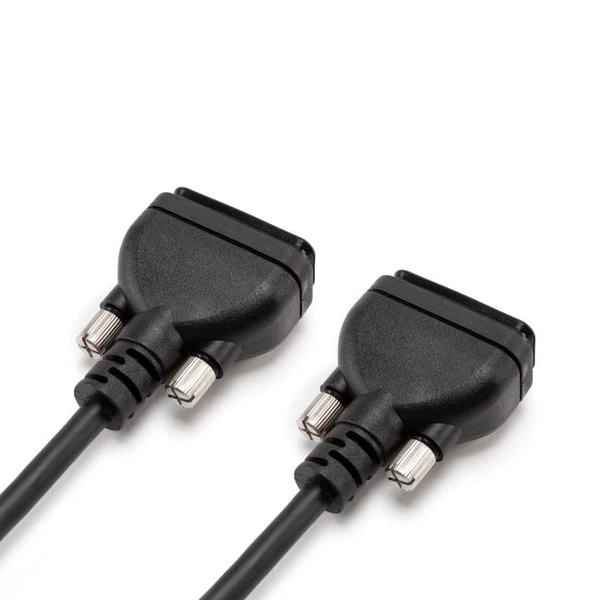
How to Solve the Waterproof Cables Water Ingress?
The cable head is sealed, and there is a professional cable sealing sleeve to seal the cable head to prevent water vapor from entering.
After laying the cable, install the cable joints in time to prevent problems before they happen.
Long-distance cables should be equipped with cable branch boxes to minimize the risk of water ingress by dispersing hazards.
Environmental Factors That May Damage Waterproof Cables
Environmental factors can also play a significant role in waterproof cables damage. Below are a few of the most common environmental factors that cause waterproof cables to deteriorate.
Water: Water and electricity decidedly do not mix. When cables become exposed to water or excessive moisture — often because of flooding or high humidity in the atmosphere — they may develop mildew or begin to corrode. If the cables degrade to the point where water comes into contact with the wiring, they can cause electrical shorts, malfunctions and fires.
Chemicals: Chemical hazards may occur because of the operational conditions of the application using the cables, or chemicals may merely be a background presence in the surrounding environment. Perhaps your business does not make aggressive use of chemicals in its everyday operations, using them only once in a while for painting, cleaning or other ancillary functions. Over time, this intermittent chemical use near your cables can add up to slow cable degradation.
Rodent predation: The presence of rodents in the environment poses a hazard for industrial cables. These furry pests often find electrical cables irresistible because they can gnaw on the cables to sharpen their teeth or chew through the sheath and wiring and use them as nesting materials. Even modest rodent populations can quickly damage cables, potentially causing broken equipment, malfunctioning rail lines, fires and explosions. Rodent-resistant braided sleeving is an invaluable component of any pest-protection strategy.
Foot traffic: Foot traffic around your cables may seem innocuous, but it can have adverse impacts on durability and performance over time. People who step on exposed cables may weaken them. Those who trip on cables may tear or crack them with the force of the impact. Protecting cables from the wear and tear of footsteps increases their longevity, safety and performance.
Our Factory
Founded in Dongguan in 2003,Kaiwin has 10 modern production lines ,employs about 350 workers and covers an area of 9000㎡, with an annual production capacity of about 10 million pcs. Its product series include peripheral connecting cables for Computer, Automobile, Aviation, Medical and other fields. At the same time, in order to meet the growing demands of customers, the company also manufactures a variety of special customized products.
Our equipment include High-frequency welding machine, USB Auto welding machine, USB 3.1 Haba welding machine, laser welding machine, laser cutting machine, temperature and humidity cycle tester, salt spray tester, SGS Test Machine, Connector Insert Force Tester, Network Analyzer, IP67 Waterproof tester.
Kaiwin has enhanced its internal management level through exploration and practice and placed emphasis on quality and whole-process service with technological innovation as the approach of development. While working hard to improve internal skills, it also learns from outstanding peer companies in the industry, seeking development in the process of competition and seizing opportunities amid challenges. Kaiwin is always dedicated to making every cable with Professional Spirit. Kaiwin is always dedicated to serving every customer with Professional Spirit.


Ultimate FAQ Guide to Waterproof Cables
Q: How to protect waterproof cables from the sun?
Q: How do you protect waterproof cables outside?
Q: How do I organize all my waterproof cabless?
Q: How to protect waterproof cables from mechanical damage?
Q: Why is camera cables safety important?
Q: What are the safety precautions for camera cables?
De-energize with the lockout/tagout (LOTO) system.
Wear protective clothing.
Barriers should be installed to protect electrical hazards.
Keep an eye on electrical lines when working overhead.
Q: How can I make my waterproof cables last longer?
Q: How can I make my waterproof cables more durable?
Q: How do you strengthen waterproof cables?
Q: What are the main parts of waterproof cables?
1. Conducting materials;
2. Insulating materials;
3. Semiconductor materials.
Q: How do you keep waterproof cables safe?
Ensure Correct Measurements.
Never Overfill.
Preventing Entanglement.
Tightening Cable Ties.
Preventing Tripping.
Bending.
Charging Gadgets.
Earbuds.
Q: How do you make waterproof cables look good?
Q: How to tidy up waterproof cables?
Use adhesive hooks or cable ties to secure wires to your furniture.
Invest in clips to prevent tripping hazards.
Run television cables through the wall.
Get creative.
Create your own charging station.
Hide cables in a box.
Q: How can I make my waterproof cables longer?
Q: What is the main element of a waterproof cables?
Q: What are camera cables safety standards?
Q: How do I protect my waterproof cables?
Run the wires through the walls or ceiling.
Hide wires behind baseboards.
Cover power cables and wires with plastic tubing.
Bury your outdoor cables.
Place cameras in hard-to-reach places.
Q: How to handle waterproof cables safely?
Be careful what you touch. Use the right tools.
Buy the right parts. Replace old wiring that shows signs of deterioration or fraying. Don't overload.
Q: How do you prevent waterproof cables from bending?
Q: Why is it important to roll waterproof cables correctly?
Dongguan KaiWin Electronics Co., Ltd. is one of the leading waterproof cables manufacturers and suppliers in China. We warmly welcome you to buy customized waterproof cables made in China here from our factory. For free sample, contact us now.
