

What is the temperature rating of a parallel cable?
Jan 19, 2026
When it comes to parallel cables, one of the most critical factors that often gets overlooked is the temperature rating. As a supplier of parallel cables, I've seen firsthand how understanding this specification can make a significant difference in the performance and longevity of these essential components. In this blog post, I'll delve into what the temperature rating of a parallel cable is, why it matters, and how it can impact your applications.
Understanding Temperature Rating
The temperature rating of a parallel cable refers to the range of temperatures within which the cable can operate safely and effectively. This rating is typically specified by the cable manufacturer and is expressed in degrees Celsius (°C). It includes both the minimum and maximum temperatures at which the cable can function without experiencing significant degradation in performance or risking damage.
The minimum temperature rating indicates the lowest temperature at which the cable's insulation and other materials can maintain their flexibility and electrical properties. Below this temperature, the insulation may become brittle, increasing the risk of cracking and short circuits. On the other hand, the maximum temperature rating represents the highest temperature at which the cable can operate without the insulation melting, the conductors oxidizing, or other forms of thermal damage occurring.
Why Temperature Rating Matters
The temperature rating of a parallel cable is crucial for several reasons. Firstly, it ensures the safety of the cable and the equipment it is connected to. Operating a cable outside its specified temperature range can lead to overheating, which can cause fires, electrical malfunctions, and damage to sensitive electronic components. By adhering to the temperature rating, you can minimize these risks and ensure the reliable operation of your systems.
Secondly, the temperature rating affects the performance of the cable. At high temperatures, the resistance of the conductors increases, which can lead to signal loss and degradation. This can result in data errors, reduced transmission speeds, and overall poor performance. Conversely, at low temperatures, the insulation may become less effective, leading to increased capacitance and interference. By operating the cable within its temperature rating, you can maintain optimal signal quality and performance.

Finally, the temperature rating can impact the lifespan of the cable. Exposure to extreme temperatures can accelerate the aging process of the insulation and other materials, reducing their mechanical and electrical properties over time. This can lead to premature failure of the cable, increasing maintenance costs and downtime. By choosing a cable with an appropriate temperature rating for your application, you can extend the lifespan of the cable and reduce the need for frequent replacements.
Factors Affecting Temperature Rating
Several factors can affect the temperature rating of a parallel cable. These include the type of insulation material used, the construction of the cable, and the environment in which it is installed.
- Insulation Material: Different insulation materials have different temperature ratings. For example, polyethylene (PE) has a relatively low temperature rating, typically around 70°C, while polyvinyl chloride (PVC) has a higher rating, usually around 80°C to 105°C. Fluoropolymers, such as polytetrafluoroethylene (PTFE), have even higher temperature ratings, up to 260°C. When choosing a cable, it's important to consider the temperature requirements of your application and select an insulation material with an appropriate rating.
- Cable Construction: The construction of the cable can also affect its temperature rating. Cables with multiple conductors or layers of insulation may have a lower temperature rating than single-conductor cables due to the increased heat generated by the additional materials. Additionally, cables with a larger cross-sectional area may have a higher temperature rating than smaller cables, as they can dissipate heat more effectively.
- Installation Environment: The environment in which the cable is installed can have a significant impact on its temperature rating. Cables installed in areas with high ambient temperatures, such as near heat sources or in direct sunlight, may require a higher temperature rating than those installed in cooler environments. Similarly, cables installed in areas with poor ventilation may experience higher temperatures due to the lack of air circulation, requiring a higher temperature rating to compensate.
Choosing the Right Temperature Rating
When choosing a parallel cable, it's important to consider the temperature requirements of your application and select a cable with an appropriate temperature rating. Here are some tips to help you make the right choice:
- Determine the Operating Temperature: The first step is to determine the operating temperature range of your application. This includes the ambient temperature of the environment in which the cable will be installed, as well as any additional heat generated by the equipment or other sources. Once you have determined the operating temperature range, you can select a cable with a temperature rating that exceeds this range to ensure safe and reliable operation.
- Consider the Application: Different applications have different temperature requirements. For example, industrial applications may require cables with a higher temperature rating due to the harsh operating conditions, while consumer applications may be able to use cables with a lower temperature rating. When choosing a cable, it's important to consider the specific requirements of your application and select a cable that is suitable for the intended use.
- Consult the Manufacturer: If you're unsure which temperature rating is appropriate for your application, it's always a good idea to consult the cable manufacturer. They can provide you with detailed information about the temperature ratings of their products and help you select the right cable for your needs.
Our Parallel Cable Offerings
As a supplier of parallel cables, we offer a wide range of products with different temperature ratings to meet the needs of various applications. Our cables are made from high-quality materials and are designed to provide reliable performance in even the most demanding environments.
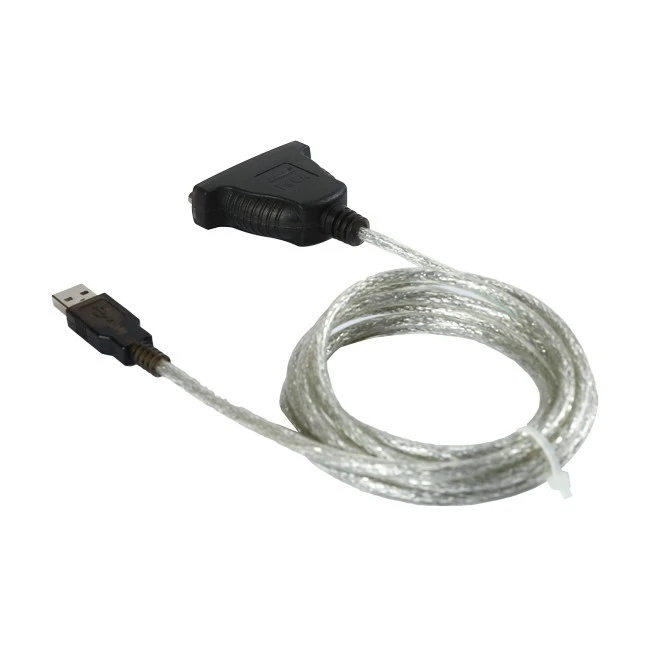
- USB 2.0 To DB25 IEEE-1284 Parallel Printer Cable: This cable is designed for use with USB 2.0 devices and DB25 parallel printers. It has a temperature rating of -20°C to 60°C, making it suitable for a wide range of indoor applications.
- USB-C To CN36 Printer Cable: This cable is designed for use with USB-C devices and CN36 parallel printers. It has a temperature rating of -20°C to 70°C, making it suitable for both indoor and outdoor applications.
- USB C To DB25 Parallel Printer Cable: This cable is designed for use with USB-C devices and DB25 parallel printers. It has a temperature rating of -20°C to 80°C, making it suitable for industrial and other high-temperature applications.
Contact Us for Procurement
If you're in the market for parallel cables and need help choosing the right product for your application, we're here to assist you. Our team of experts can provide you with detailed information about our products, including their temperature ratings, and help you select the right cable for your needs. We also offer competitive pricing and fast delivery to ensure that you get the products you need when you need them.
To get started, simply contact us today to discuss your requirements and receive a quote. We look forward to working with you and helping you find the perfect parallel cable solution for your application.
References
- "Cable Temperature Ratings: A Guide for Engineers." Electrical Engineering Portal.
- "Temperature Rating of Electrical Cables." The Engineering ToolBox.
- "Understanding Cable Temperature Ratings." Fluke Corporation.