

How to identify a genuine USB - C Adapter?
Dec 01, 2025
In today's digital age, USB - C adapters have become indispensable accessories for a wide range of electronic devices. As a USB - C Adapter supplier, I understand the importance of being able to identify a genuine USB - C adapter. With the market flooded with counterfeit and low - quality products, it's crucial for consumers and businesses alike to know how to distinguish the real deal from the fakes. In this blog post, I'll share some key tips and insights on how to identify a genuine USB - C adapter.
1. Packaging and Branding
One of the first things to look at when assessing a USB - C adapter is its packaging. Genuine adapters usually come in well - designed, high - quality packaging. The branding on the box should be clear, with no smudges or misspellings. The logo of the brand should be crisp and match the official branding of the manufacturer.
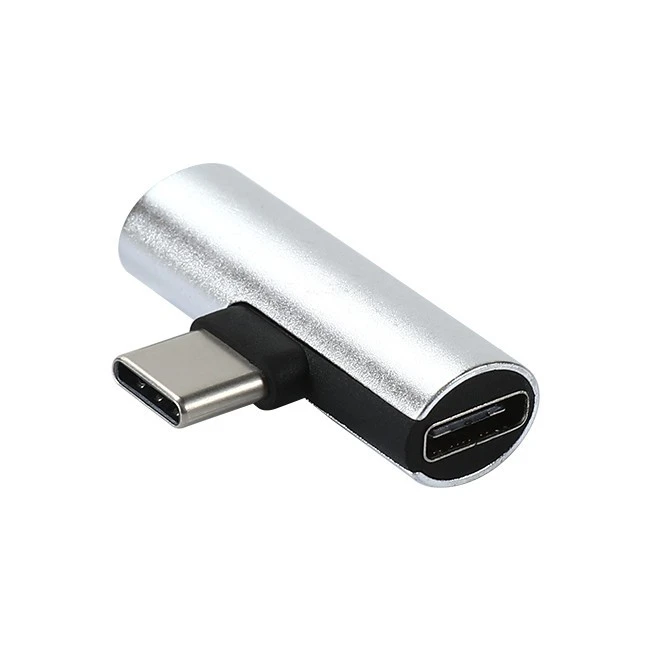

For example, well - known brands invest a lot in their packaging to protect the product and provide a good unboxing experience. Counterfeiters often use low - quality materials for packaging, which can be easily spotted. Look for details such as the quality of the cardboard, the printing, and the presence of any official holograms or security features.
If the packaging looks flimsy, the text is poorly printed, or there are no clear brand markings, it's a red flag. A genuine USB - C adapter from a reputable brand will have all the necessary information on the box, including the product name, model number, specifications, and safety certifications.
2. Build Quality
The build quality of a USB - C adapter is a strong indicator of its authenticity. A genuine adapter will be made from high - quality materials. The body of the adapter should feel solid and well - constructed. Check the USB - C connector; it should fit snugly into your device without being too loose or too tight.
The plastic or metal used in the adapter should have a smooth finish. There should be no rough edges, cracks, or visible signs of poor workmanship. For example, if you're looking at a USB C To 3.5mm headphone Jack Adapter, the audio jack should be firmly attached to the adapter, and the overall design should be ergonomic.
Counterfeit adapters often use cheap plastics that can break easily. The connectors may be poorly made, which can lead to connection issues and even damage to your device. When you hold a genuine adapter, you'll notice that it has a certain weight and feel that suggests quality.
3. Compatibility and Performance
Genuine USB - C adapters are designed to be compatible with a wide range of devices. They should work seamlessly with your smartphone, tablet, laptop, or other USB - C enabled devices. Before purchasing an adapter, check the manufacturer's website for a list of compatible devices.
In terms of performance, a genuine adapter should deliver the promised functionality. For example, if it's a charging adapter, it should charge your device at the advertised speed. If it's a data transfer adapter, it should transfer data quickly and without errors.
Test the adapter with your device. If you experience issues such as slow charging, intermittent connectivity, or poor audio quality (in the case of an audio adapter), it could be a sign that the adapter is not genuine. Some counterfeit adapters may not support the full range of USB - C specifications, which can limit their functionality.
4. Safety Certifications
Safety is a top priority when it comes to USB - C adapters. Genuine adapters are usually certified by recognized safety standards organizations. Look for certifications such as UL (Underwriters Laboratories), CE (Conformité Européene), and FCC (Federal Communications Commission).
These certifications indicate that the adapter has been tested and meets certain safety and performance standards. The certification marks are usually printed on the adapter itself or on the packaging. If an adapter claims to be genuine but has no safety certifications, it's likely a counterfeit.
Counterfeit adapters may not have proper safety features, which can pose a risk to your device and even your personal safety. For example, they may overheat, short - circuit, or cause damage to your device's battery. Always choose an adapter that has the necessary safety certifications.
5. Price
While price is not always a foolproof indicator of authenticity, extremely low - priced USB - C adapters should raise suspicion. Genuine adapters from well - known brands usually come at a reasonable price that reflects the cost of research, development, and high - quality materials.
If you see an adapter being sold at a price that is significantly lower than the market average, it's likely a counterfeit. Counterfeiters cut corners on materials and manufacturing processes to keep costs down, which can result in a product that is not only of poor quality but also potentially dangerous.
However, don't assume that a high - priced adapter is always genuine. Some counterfeiters may try to sell their products at a high price to make them seem more legitimate. It's important to consider other factors in addition to price when determining the authenticity of an adapter.
6. Manufacturer's Reputation
The reputation of the manufacturer is another important factor. Research the brand before purchasing an adapter. Well - established brands with a good track record are more likely to produce genuine, high - quality products.
You can check online reviews, customer feedback, and industry reports to get an idea of the manufacturer's reputation. A reputable brand will have a responsive customer service team that can answer your questions and address any issues you may have.
On the other hand, if a brand is relatively unknown and has few reviews or a lot of negative feedback, it's best to be cautious. Counterfeiters often use the names of well - known brands or create fake brands to deceive consumers.
7. Additional Features and Design
Some genuine USB - C adapters come with additional features that can set them apart from counterfeits. For example, a 4 in 1 Type C To HDMI/USB/Aux PD Docking Station may have advanced power delivery capabilities, allowing it to charge your device while transferring data and connecting to other peripherals.
The design of the adapter can also be a clue. Genuine adapters often have unique and well - thought - out designs. For instance, a Silver Color T - shape USB C To Audio and Charger Adapter may have a sleek and functional design that is both aesthetically pleasing and practical.
Counterfeit adapters may lack these additional features or have a design that is a poor imitation of the original. They may also not perform as well as the genuine product when it comes to these extra functions.
Conclusion
Identifying a genuine USB - C adapter is crucial to ensure the safety and performance of your devices. By paying attention to the packaging, build quality, compatibility, safety certifications, price, manufacturer's reputation, and additional features, you can make an informed decision when purchasing a USB - C adapter.
As a USB - C Adapter supplier, we are committed to providing high - quality, genuine products. If you're in the market for USB - C adapters, whether it's for personal use or for your business, we'd love to have a conversation with you. Our team of experts can help you choose the right adapter for your needs and provide you with all the necessary information. Contact us for a detailed discussion on procurement and let's find the best USB - C adapter solutions for you.
References
- USB Implementers Forum. (n.d.). USB - C Technology Overview.
- Safety Standards Organizations. (n.d.). Guidelines for USB - C Device Certification.
- Consumer Reports. (n.d.). USB - C Adapter Reviews and Ratings.