

How do I store a parallel cable properly?
Dec 16, 2025
As a supplier of parallel cables, I understand the importance of proper storage to ensure the longevity and performance of these essential components. Parallel cables, once a staple in the world of computer peripherals, are still widely used in various industries for their reliable data transfer capabilities. In this blog post, I will share some valuable insights on how to store parallel cables properly, helping you maintain their quality and functionality over time.
Understanding Parallel Cables
Before delving into the storage methods, it's essential to have a basic understanding of parallel cables. These cables are designed to transmit multiple bits of data simultaneously, allowing for faster data transfer compared to serial cables. They typically feature a DB-25 connector on one end and a compatible connector on the other, depending on the device they are intended to connect to.
Parallel cables come in different types and lengths, each tailored to specific applications. Some common types include USB-C To CN36 Printer Cable, USB 2.0 To DB25 IEEE-1284 Parallel Printer Cable, and USB C To DB25 Parallel Printer Cable. These cables are commonly used to connect printers, scanners, and other peripherals to computers.
Factors Affecting Cable Storage
Several factors can impact the quality and performance of parallel cables during storage. Understanding these factors is crucial for implementing effective storage practices.
Temperature and Humidity
Extreme temperatures and high humidity levels can cause damage to parallel cables. Excessive heat can lead to the melting of the cable insulation, while cold temperatures can make the cables brittle and prone to cracking. High humidity can also cause corrosion of the connectors, leading to poor electrical conductivity.
To mitigate these risks, it's recommended to store parallel cables in a cool, dry environment. The ideal temperature range for cable storage is between 5°C and 35°C (41°F and 95°F), with a relative humidity level of 40% to 60%.
Physical Damage
Parallel cables are susceptible to physical damage, such as bending, kinking, and crushing. These damages can disrupt the internal wiring of the cable, leading to signal loss or intermittent connectivity issues.
To prevent physical damage, it's important to handle parallel cables with care and avoid sharp bends or kinks. When storing the cables, make sure they are not compressed or pinched by other objects.
Dust and Dirt
Dust and dirt can accumulate on the surface of parallel cables over time, which can affect their performance. The presence of dust and dirt can cause electrical interference and increase the risk of short circuits.
To keep parallel cables clean, it's advisable to store them in a sealed container or a cable organizer. Regularly inspect the cables for any signs of dust or dirt and clean them using a soft, dry cloth.
Proper Storage Methods
Now that we understand the factors affecting cable storage, let's explore some proper storage methods for parallel cables.
Coiling the Cables
One of the most common ways to store parallel cables is by coiling them. Coiling the cables neatly helps to prevent tangling and reduces the risk of physical damage.
When coiling a parallel cable, start by straightening the cable and removing any kinks or twists. Then, begin coiling the cable in a large, loose loop, making sure not to bend the cable too sharply. Once the cable is fully coiled, secure the coil with a cable tie or a Velcro strap to keep it in place.
Using Cable Organizers
Cable organizers are a great way to keep parallel cables organized and protected. There are various types of cable organizers available, including cable trays, cable boxes, and cable wraps.
Cable trays are ideal for storing multiple cables in a neat and organized manner. They provide a flat surface for the cables to rest on, preventing them from tangling or getting damaged. Cable boxes, on the other hand, offer a more enclosed storage solution, protecting the cables from dust, dirt, and physical damage. Cable wraps are a flexible and convenient option for storing individual cables. They can be easily wrapped around the cable to keep it in a compact and organized shape.
Hanging the Cables
If you have limited storage space, hanging the parallel cables is another option. Hanging the cables helps to save space and keeps them off the ground, reducing the risk of damage.
To hang a parallel cable, you can use a cable hanger or a hook. Make sure the hanger or hook is strong enough to support the weight of the cable and is securely attached to a wall or a ceiling. When hanging the cable, make sure it is not stretched too tightly, as this can cause damage to the cable.
Additional Tips for Cable Storage
In addition to the storage methods mentioned above, here are some additional tips to help you store parallel cables properly.
Labeling the Cables
Labeling the parallel cables can make it easier to identify and locate them when needed. Use a permanent marker or a cable label to write the cable type, length, and destination on the cable. This will save you time and effort when setting up or troubleshooting your devices.
Inspecting the Cables Regularly
Regularly inspecting the parallel cables for any signs of damage or wear is essential for maintaining their performance. Check the cables for any visible cracks, cuts, or frayed wires. If you notice any damage, replace the cable immediately to avoid potential issues.
Storing Spare Cables
It's always a good idea to keep a few spare parallel cables on hand in case of emergencies. Store the spare cables in the same manner as the regular cables, following the proper storage methods and guidelines.
Conclusion
Proper storage of parallel cables is essential for maintaining their quality and performance. By following the tips and guidelines outlined in this blog post, you can ensure that your parallel cables remain in good condition and provide reliable data transfer for years to come.
If you're in the market for high-quality parallel cables, look no further. As a leading supplier of parallel cables, we offer a wide range of products to meet your specific needs. Our cables are manufactured using the latest technology and high-quality materials, ensuring superior performance and durability.
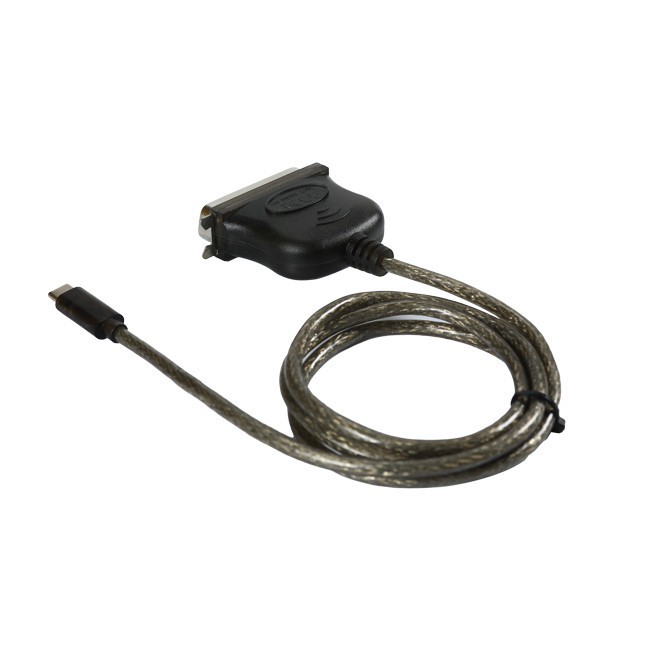

Whether you need a USB-C To CN36 Printer Cable, a USB 2.0 To DB25 IEEE-1284 Parallel Printer Cable, or a USB C To DB25 Parallel Printer Cable, we have you covered. Contact us today to discuss your requirements and explore our product range. We look forward to partnering with you and providing you with the best parallel cable solutions.
References
- "Cable Storage Best Practices." TechTarget.
- "How to Store Cables Properly." Lifewire.
- "The Importance of Proper Cable Storage." Electrical Construction & Maintenance.