

Are there any differences in USB 3.0 cables for different brands of devices?
Jan 05, 2026
Hey there! As a supplier of USB 3.0 cables, I get asked a ton about whether there are differences in USB 3.0 cables for different brands of devices. Let's dive right into it.
First off, it's important to understand what USB 3.0 is all about. USB 3.0, also known as SuperSpeed USB, was a game - changer when it came out. It offers significantly faster data transfer speeds compared to its predecessors, USB 2.0 and 1.1. With theoretical transfer speeds of up to 5 Gbps, it can move a large amount of data in a short time, whether it's transferring photos from a camera, backing up files from a laptop, or streaming high - definition video.
So, do different brands of devices require different USB 3.0 cables? Well, in theory, USB 3.0 is a standardized interface. That means any USB 3.0 cable should work with any device that supports USB 3.0. The USB Implementers Forum (USB - IF) sets the standards for USB technology, including USB 3.0. These standards ensure that cables can communicate with devices in a consistent way.
However, in the real world, things aren't always that simple. One of the main differences you might see between cables for different devices is the form factor. For example, some devices might need a cable with a specific connector shape or angle. That's where cables like the Angled USB3.0 A Male To B Male Cable come in handy. If your device is in a tight space and a regular straight cable won't work, an angled cable can be a great solution.
Another aspect is the cable length. Longer cables can sometimes experience signal loss, which can affect data transfer speeds and reliability. For devices that need to be connected from a distance, you might want to consider an active cable. Our Molded Type Active USB3.0 Extension Cable With DC Port is designed to boost the signal over longer distances, ensuring that your data transfer remains fast and stable.
Build quality is also a huge factor. Different brands of cables can vary widely in terms of the materials they use. High - quality cables are often made with better conductors, which can reduce resistance and improve signal transmission. They also have better insulation, which protects the cables from interference and physical damage. Cheaper cables might use lower - grade materials, which can lead to slower data transfer speeds, more errors, and a shorter lifespan.
Some devices also have specific requirements for power delivery. USB 3.0 cables can carry power as well as data, but the amount of power they can deliver can vary. If your device needs a lot of power to operate, you'll need a cable that can handle that load. A well - made cable with thicker conductors can usually deliver power more efficiently. For example, if you're using a high - powered external hard drive or a USB - powered monitor, you'll want a cable that can provide enough juice.
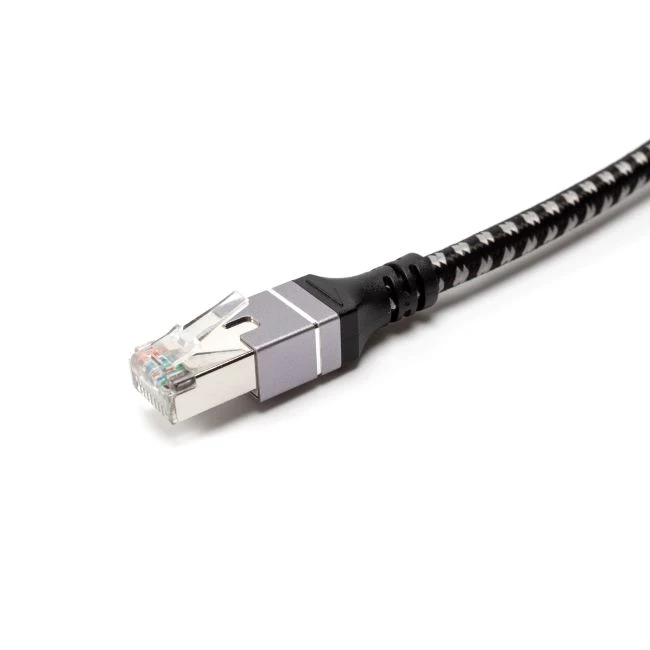
Let's talk about some specialized USB 3.0 cables. Take the USB3.0 A To RJ45 Ethernet Cable Braided. This cable allows you to connect a device with a USB 3.0 port to an Ethernet network. It's great for laptops or devices that don't have a built - in Ethernet port but need a reliable wired network connection. Not all devices will need this type of cable, but for those that do, it's an essential addition.
When it comes to different brands of devices, the software and firmware on the device can also make a difference. Some devices might be more finicky about the cables they work with. They might have stricter requirements for data integrity or power management. In some cases, a cable that works perfectly fine with one brand of device might not work as well with another. This is often due to the way the device's software is configured to communicate with the cable.
So, what should you look for when choosing a USB 3.0 cable for your device? First, make sure the cable is certified by the USB - IF. This certification means that the cable meets the industry standards for USB 3.0. Second, consider the form factor, length, and build quality based on your device's needs. If you're not sure, don't hesitate to reach out to us.
As a USB 3.0 cable supplier, we've spent years in the industry, understanding the ins and outs of these cables. We offer a wide range of high - quality USB 3.0 cables to meet the needs of different devices. Whether you're a consumer looking for a cable for your personal device or a business in need of bulk orders, we've got you covered.
If you're interested in our products or have any questions about which USB 3.0 cable is right for your device, feel free to contact us for a procurement discussion. We're always happy to help you find the perfect cable solution.
References:

- USB Implementers Forum official documentation
- Industry research on USB cable performance and standards